
Soil site investigation is a critical step in construction planning. It ensures the safety and stability of structures.
Understanding the ground beneath a site is essential. This process involves assessing soil properties and potential challenges.
Geotechnical exploration and surveys provide valuable data. They help engineers design foundations and other structural elements.
Various techniques are used in soil investigation. These include drilling, sampling, and in-situ testing.
This guide will explore the importance and methods of soil site investigation. It aims to educate professionals and students in the field.
What is Soil Site Investigation?
Soil site investigation is the process of assessing the soil's characteristics on a site. It determines the suitability for construction projects.
Engineers collect data about soil composition, moisture content, and other properties. This helps in predicting how the soil will behave under load.
The investigation involves both fieldwork and laboratory analysis. Fieldwork includes techniques like drilling and sampling.
In the lab, samples undergo detailed testing to understand the soil's properties. Engineers analyze factors like density and shear strength.
Key components of soil site investigation include:
Assessing subsurface conditions
Identifying potential geotechnical challenges
Evaluating groundwater levels
Geotechnical site investigation is essential for safe and cost-effective construction. It provides insights into the interaction between soil and structures.
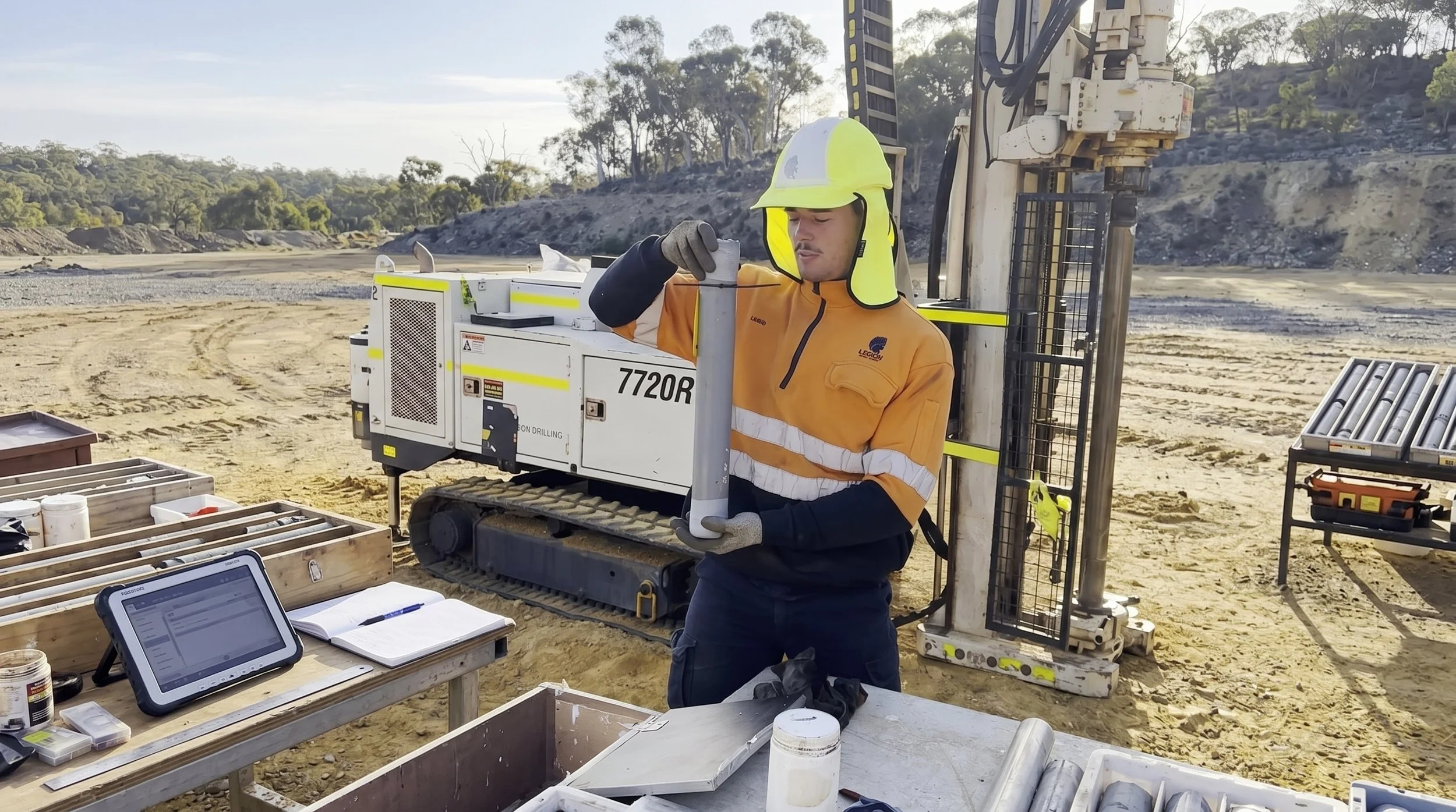
Importance of Soil Site Investigation in Construction
Soil site investigation plays a crucial role in construction projects. It ensures structural safety and durability. Without proper investigation, unforeseen soil conditions can lead to costly failures.
Understanding soil properties allows engineers to design appropriate foundations. This reduces the risk of structural damage or collapse.
The investigation helps in cost estimation and planning. Knowing the soil behavior aids in selecting the right construction materials and methods.
Environmental considerations are also part of the investigation. It assesses erosion, seismic activity, and other environmental factors.
Key importance of soil site investigation includes:
Identifying potential geotechnical challenges
Ensuring compliance with safety standards
Providing data for informed decision-making
Overall, soil site investigation is essential for successful and sustainable construction projects. It prevents delays and ensures project efficiency.
Key Objectives of Geotechnical Investigations
Geotechnical investigations aim to ensure a safe construction environment. They assess soil and rock properties critical for building stability. Understanding these elements is essential in mitigating risk.
The primary goal is to gather data about the site's subsurface conditions. This informs engineers about suitable designs and materials. Accurate soil data improves the safety and efficiency of construction projects.
Another objective is to identify potential hazards like landslides or soil liquefaction. Early detection helps prevent costly construction issues. Effective risk management is possible with thorough investigation.
Key objectives include:
Assessing soil's physical and chemical properties
Evaluating groundwater conditions
Informing foundation design decisions
The results of geotechnical investigations guide crucial project decisions. They play a vital role in planning and executing construction projects safely.
Stages of a Geotechnical Site Investigation
A geotechnical site investigation involves several critical stages. Each stage contributes to a comprehensive understanding of the site conditions. The process is systematic and detailed.
The first stage is a desktop study, gathering existing data about the site. This includes evaluating topographical maps, previous site records, and geological surveys. It provides a base for more focused investigations.
Next, field exploration involves collecting soil samples and conducting in-situ tests. This stage offers direct insight into soil and rock properties. Hands-on examination ensures accurate site characterization.
Laboratory testing follows, where soil samples are analyzed for various parameters. Factors like density, moisture content, and strength are measured. This data is vital for engineering design.
The main stages include:
Desktop study and preliminary assessment
Field exploration and sampling
Laboratory testing and analysis
Each phase is essential for a successful geotechnical survey. Together, they form a robust framework for informed decision-making.
Desktop Study and Preliminary Assessment
The desktop study is the initial phase of geotechnical site investigations. It involves collecting all available information about the site. This step helps identify potential risks and constraints early.
The preliminary assessment includes reviewing maps, past reports, and satellite images. This information provides a clear idea of the site's layout and geological features.
Key elements of this stage:
Gathering existing site data
Evaluating past site investigations
Analyzing topographic and geological information
This early insight is crucial for efficient planning and reduces uncertainties before fieldwork begins.
Field Exploration and Sampling
Field exploration provides hands-on evaluation of subsurface conditions. It involves collecting soil samples and conducting in-situ tests. This stage is crucial for assessing actual site conditions.
Sampling techniques vary, but common methods include borehole drilling and cone penetration testing. These methods help determine soil composition and bearing capacity.
Field exploration can reveal surprises hidden beneath the surface. Specialists evaluate:
Soil texture and composition
Groundwater levels and flow
Soil strength and compaction
The data obtained guides the laboratory analysis phase, reinforcing the findings for reliable construction planning.
Laboratory Testing and Analysis
Laboratory testing follows field sampling to analyze soil properties in detail. This stage assesses soil behavior under various conditions. Each test provides critical data for engineering decisions.
Common tests include measuring soil density, moisture content, and shear strength. These parameters inform foundation design and stability measures. Accurate testing is fundamental for avoiding construction failures.
In the laboratory, samples undergo:
Moisture content and density measurements
Strength and compaction tests
Chemical analysis for contaminants
The insights from laboratory analysis form the foundation of the final geotechnical report. They ensure the site's suitability and guide construction methods and materials.
Common Soil Site Investigation Techniques
Understanding the various techniques is pivotal in soil site investigation. Each method offers unique insights into subsurface conditions. The choice of technique often depends on project requirements and site conditions.
Borehole drilling is a traditional method providing direct access to soil and rock layers. It allows for physical examination of deeper strata. Cone Penetration Testing (CPT) is another crucial technique, offering rapid assessment through penetration resistance measurements.
Geophysical surveys utilize non-invasive methods like seismic refraction. These techniques map subsurface features effectively. In-situ testing provides real-time data, reflecting actual ground conditions under site-specific scenarios.
Common techniques include:
Each technique enhances the overall understanding of site characteristics, aiding in informed construction planning.
Borehole Drilling
Borehole drilling remains a cornerstone in geotechnical exploration. It involves drilling into the ground to collect core samples. This method reveals detailed subsurface information.
The process is valuable for assessing soil layers, groundwater levels, and rock formations. Engineers can evaluate soil bearing capacity based on these findings.
Core benefits of borehole drilling include:
Detailed soil and rock profile analysis
Depth-specific sampling for laboratory testing
Groundwater monitoring
Drilling supports reliable foundation design, minimizing construction risks related to unknown subsurface conditions.
Cone Penetration Testing (CPT)
Cone Penetration Testing (CPT) is a precise method for subsurface investigation. It uses a cone-tipped probe pushed into the ground. The penetration resistance measures soil characteristics.
CPT is faster and less disruptive than traditional drilling. It provides continuous soil data, critical for site investigations. This method is suitable for loose or soft ground conditions.
Key elements of CPT include:
Real-time data on soil resistance
Quick assessment of soil stratification
Minimal disturbance to the site
CPT results contribute significantly to understanding soil behavior, especially in variable grounds.
Geophysical Surveys
Geophysical surveys offer non-invasive ways to explore beneath the surface. Techniques such as seismic refraction and ground-penetrating radar are commonly used. These methods provide broad overviews of geological conditions.
Geophysical methods identify subsurface anomalies, like bedrock depth and voids. They're efficient in large areas where traditional methods might falter. The data is critical for initial assessments and planning.
Advantages of geophysical surveys include:
Rapid data acquisition over wide areas
Detection of underground features without excavation
Assessment of rock and soil properties
These surveys enhance site characterization, complementing other investigation techniques.
In-Situ Testing Methods
In-situ testing methods offer immediate insights into ground conditions. They measure soil properties directly on-site, reflecting actual conditions under specific loads. These methods are essential for customized site evaluations.
Common in-situ tests include Standard Penetration Test (SPT) and Vane Shear Test. They help determine soil strength and stability. These tests improve the accuracy of site assessments significantly.
Benefits of in-situ testing:
Real-time analysis of soil behavior
On-site evaluation under load conditions
Enhanced prediction of soil performance
In-situ methods are integral for detailed geotechnical surveys, ensuring reliable construction planning and design.
Interpreting Results and Reporting
Interpreting the results of a soil site investigation is crucial for a project's success. Geotechnical engineers analyze data to understand soil behavior. Their insights guide construction decisions and design choices.
The interpretation focuses on key soil properties. These include strength, density, and moisture content. Engineers assess these factors to recommend safe construction techniques.
The final report summarizes findings, offering actionable guidance. Key components of a typical report include:
Overview of investigation methods used
Detailed interpretation of soil and site data
Recommendations for construction practices
Clear reporting ensures effective communication between project stakeholders, enabling informed decision-making and project alignment.
Challenges and Limitations in Soil Investigation
Soil site investigation faces various challenges. Unpredictable weather conditions can delay fieldwork. Access to remote sites might be difficult and costly.
Technical limitations also affect investigations. Some methods may not reach the required depth. Equipment availability and maintenance can impede progress.
External factors also pose challenges. Budget constraints often lead to limited scope. Here are some common limitations:
Incomplete data due to sampling errors
Variability in soil properties across a site
Environmental restrictions impacting exploration activities
Addressing these challenges requires careful planning and adaptability.
Advances in Soil Site Investigation Technology
Technological advancements are revolutionizing soil investigations. Innovations in equipment and methods enhance data accuracy and efficiency. These developments are essential for modern construction demands.
Digital tools now play a vital role. They improve data collection and analysis processes. Mobile apps and software streamline reporting and documentation.
Emerging technologies are also increasingly used. Noteworthy advancements include:
Ground-penetrating radar for subsurface imaging
Seismic refraction for soil layer detection
Drones for site mapping and aerial surveys
These technologies contribute to more precise and timely investigations.
Best Practices and Recommendations
Adopting best practices in soil site investigation ensures successful outcomes. Establishing clear objectives at the project's outset is crucial. Understanding site-specific requirements can guide the investigation process effectively.
Collaborative efforts between engineers and geologists boost project success. Multidisciplinary cooperation helps in addressing complex site conditions. Sharing expertise leads to more comprehensive investigations.
Recommendations for effective soil site investigations include:
Conduct thorough preliminary assessments
Use appropriate and modern equipment
Regularly update investigation techniques
Ensure detailed documentation of all findings
Following these practices enhances both safety and efficiency in construction projects.
Conclusion
Soil site investigation is vital for safe construction. It equips engineers with essential data to design durable structures. By understanding subsurface conditions, potential risks can be minimized.
Implementing thorough investigations is a proactive step. This process supports sustainable development and enhances structural integrity. With advancements in technology, these efforts continue to evolve, ensuring successful project outcomes.