
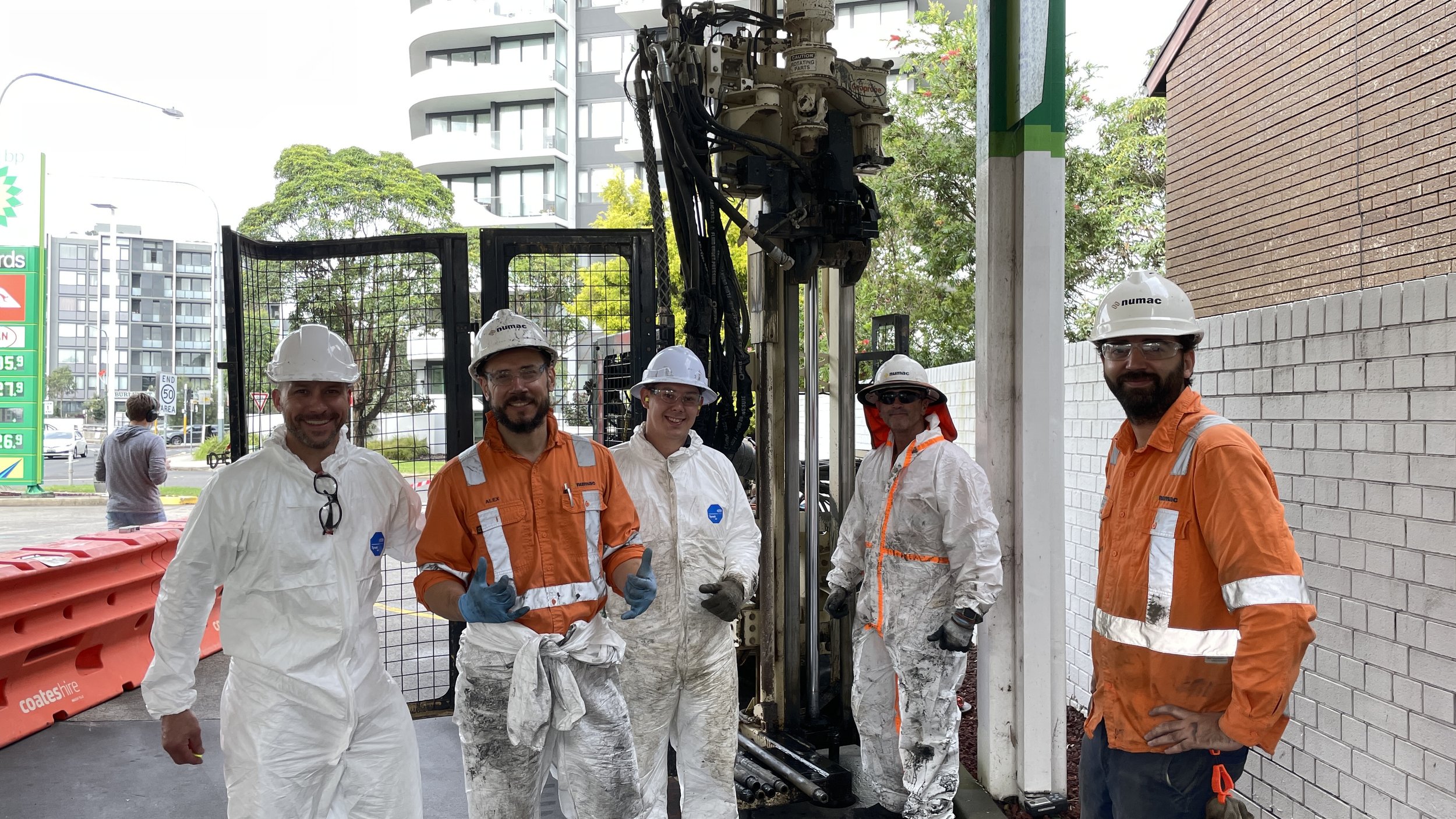
In-situ Remediation
BOS 200®: Advanced Activated Carbon & Bacterial In-Situ Remediation for Hydrocarbon Contamination
Revolutionary Trap & Treat® Technology for Petroleum Contamination
BOS 200® is a cutting-edge in situ remediation solution designed to degrade petroleum hydrocarbons, solvents, and oils using an activated carbon-based bioremediation approach. This innovative system accelerates the natural biodegradation of organic contaminants, utilizing a unique blend of facultative bacteria, time-release electron acceptors, and essential nutrients. It is highly effective under aerobic and anaerobic conditions and is proven to work across a wide range of geochemical environments, including high salinity (up to 30,000 ppm TDS) and variable pH levels.
What Contaminants Can Be Treated with BOS 200®?
BOS 200® is designed to remediate a broad spectrum of organic contaminants, including:
✅ Petroleum hydrocarbons & LNAPL source zones
✅ Fuel oxygenates
✅ Alcohols
✅ Glycols
✅ Cyclic ethers
What Subsurface Conditions Are Favorable for BOS 200®?
BOS 200® is versatile and adaptable to a wide range of geological settings, including:
🔹 High-permeability formations such as sands and gravels
🔹 Low-permeability zones such as silts and clays
🔹 Bedrock environments where specialized injection techniques are required
Can BOS 200® Be Used to Treat LNAPL Source Zones?
Yes! BOS 200® has been successfully applied in LNAPL source areas, helping to break down and stabilize contamination. However, in high TPH concentration zones, multiple injection events may be necessary to achieve complete remediation.
Key Considerations for a Successful BOS 200® Remediation Program
📌 Ensuring Contact Between Amendments & Contaminants
Successful remediation depends on the effective distribution of BOS 200® within the impacted zone. High-resolution site data should be used to guide the injection process.
📌 Proper Amendment Calculation
The total amendment volume should account for all compounds that will sorb into the carbon matrix. Quantitative TPH concentration data are critical for precise dosing.
📌 Subsurface Infrastructure & Utility Mapping
Before any drilling or injection work, all subsurface utilities and structures must be identified to prevent damage and ensure safe application.
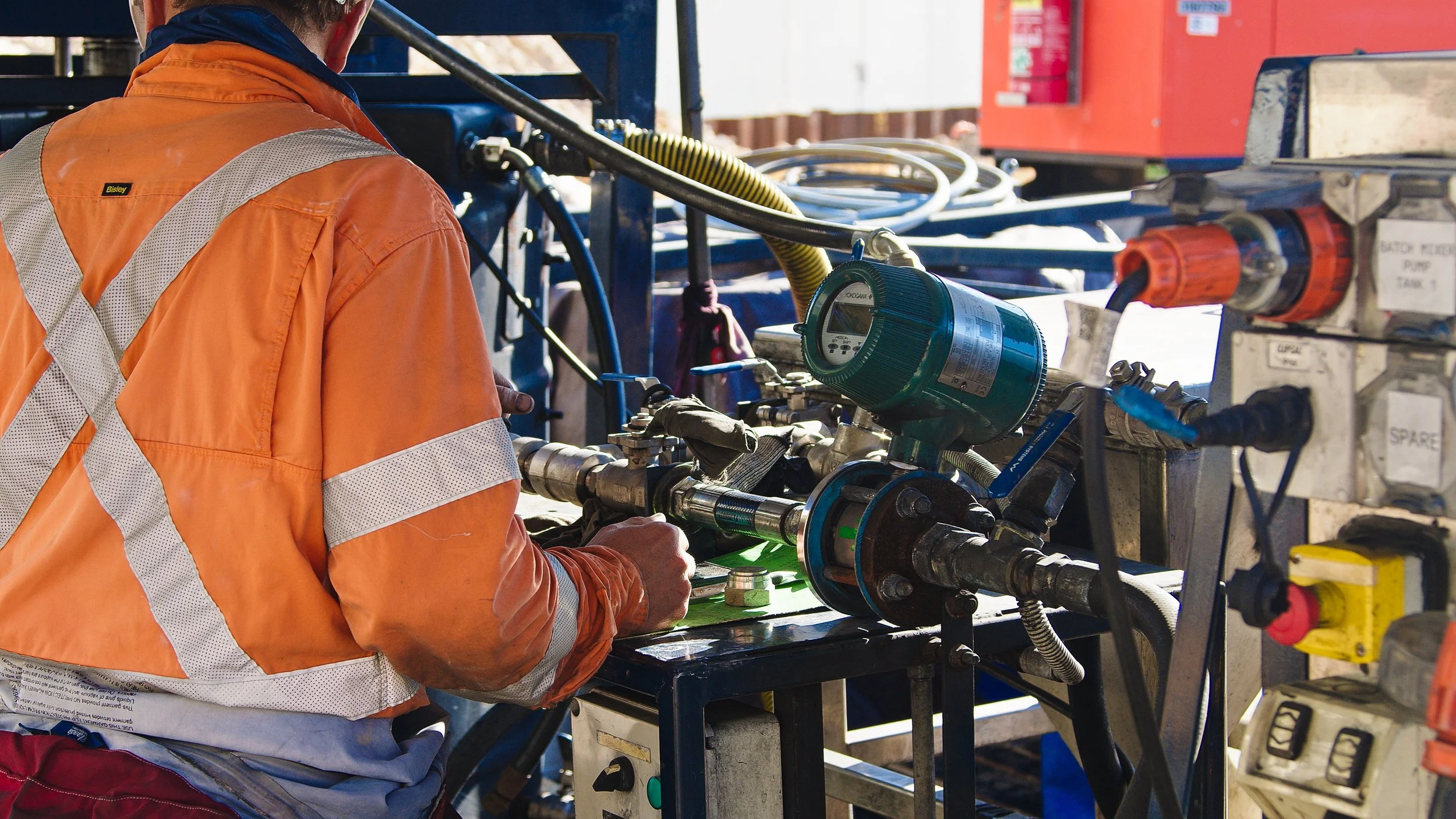
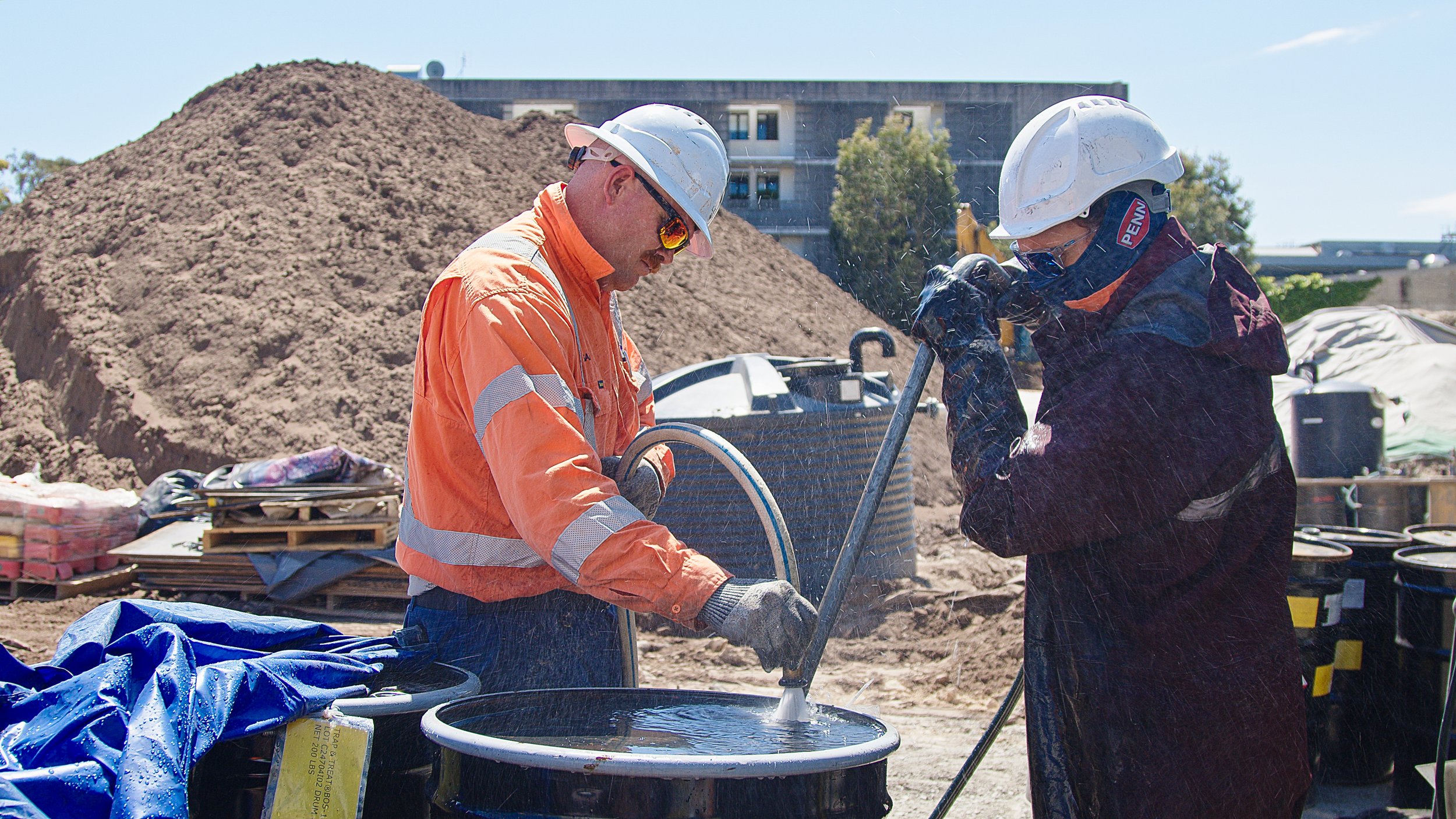
To maximize contact between the BOS 200® amendments and the contaminants, precise injection strategies are essential. Legion Drilling provides high-resolution remedial characterization using:
FAQs
What contaminants can be treated with this activated carbon and bacterial technology?
A wide range of organic contaminants, including petroleum hydrocarbons and LNAPL source zones, fuel oxygenates, alcohols, glycols, and cyclic ethers.
What subsurface conditions are favourable for this technology?
All types of geology from gravels and sands to low-permeability zones and bedrock are potentially suitable for the application of activated carbon BOS 200®.
Can activated carbon based BOS 200® be used to treat LNAPL source zones?
Yes, although very high TPH concentrations may limit the performance and require additional injection events.
What are the key points to keep in mind for the successful design and implementation of a BOS 200® program?
Ensuring sufficient contact between the amendments and the contaminant is paramount. High-resolution data should be used to design the injection plan.
The amount of amendment should be calculated considering all the compounds that will sorb into the carbon matrix. Quantitative TPH concentration data are required for this purpose.
And don’t forget to locate all the subsurface infrastructure and utility lines prior to any drilling works!
Where can I find more information?
Our remediation technicians will be happy to provide further information and discuss in detail any specific project requirements.
In the meantime, we recommend you to consult the following documents:
Fan, D. (2019). In Situ Groundwater Treatment with Activated Carbon. Enviro Wiki. https://www.enviro.wiki/index.php?title=In_Situ_Groundwater_Treatment_with_Activated_Carbon
Fox, T. (2015). Hello Carbon, My Old Friend—Petroleum Remediation Using Activated Carbon. L.U.S.T.Line Bulletin 77. April, 2015.
ITRC (2020). Optimizing Injection Strategies and In situ Remediation Performance. OIS-ISRP-1. Washington, D.C.: Interstate Technology & Regulatory Council, OIS-ISRP Team. https://ois-isrp-1.itrcweb.org
US EPA (2018). Remedial Technology Fact Sheet—Activated Carbon-Based Technology for In Situ Remediation. EPA 542-F-18-001. https://www.epa.gov/sites/production/files/2018-04/documents/100001159.pdf